

PFAS Well Water Testing for Carbon County, PA
If your home relies on a private well, PFAS well water testing is an important step in understanding and protecting your drinking water quality. PFAS (per- and polyfluoroalkyl substances), often referred to as “forever chemicals,” are man-made compounds that can persist in the environment and may be found in groundwater. Since PFAS cannot be detected by taste, smell, or appearance, specialized laboratory testing is the only way to determine if they are present in your water.
At ABE Laboratories, LLC, we help homeowners throughout Carbon County, PA access reliable PFAS testing for private wells. We make the process simple by providing professional sample coordination, trusted testing services, and clear reporting to help you better understand your water quality. Whether you recently purchased a home, have concerns about possible PFAS exposure, or want peace of mind about your drinking water, our knowledgeable team is here to guide you through the process.
Your family’s drinking water deserves careful attention and reliable testing. ABE Laboratories, LLC provides comprehensive private well water testing services, including PFAS testing, bacteria testing, and other drinking water analyses, to help homeowners identify potential concerns and make informed decisions about their water supply.
As a Pennsylvania DEP-accredited laboratory, we follow established quality standards and work with qualified testing resources to provide dependable results you can trust. Our team is here to answer your questions, explain your testing options, and help you understand your results in a clear and straightforward way.
At ABE Laboratories, LLC, your safety is our priority. Check out our various choices for residential bundles to find the right choice for your home, and contact us today to take the first step toward understanding your water quality. We are committed to providing trusted local service and treating every customer like a neighbor.

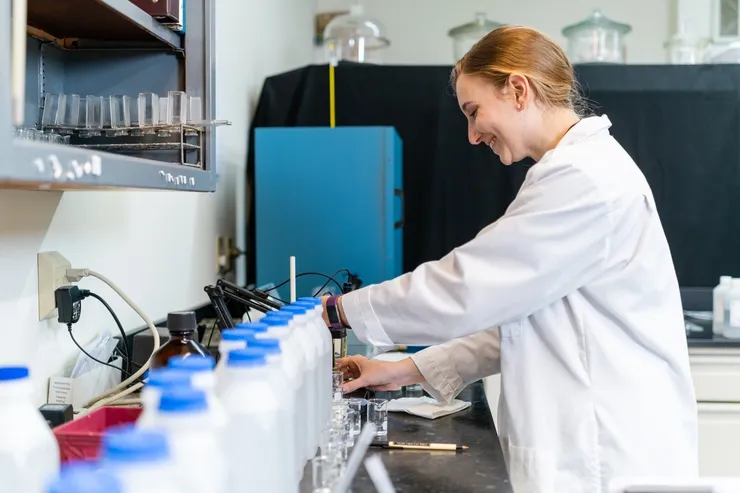
Many private well owners in Carbon County, PA are becoming more aware of PFAS concerns due to local detections of these chemicals. PFAS, often called “forever chemicals,” can enter groundwater and may impact private wells. Because PFAS cannot be seen, smelled, or tasted, testing through an accredited laboratory is the only way to determine if they are present in your drinking water.
At ABE Laboratories, LLC, we help Carbon County homeowners access reliable PFAS testing services with clear reporting and knowledgeable support. PFAS testing provides information that standard bacteria testing cannot, helping you make informed decisions about water treatment options and protecting your family’s drinking water.
ABE Laboratories, LLC provides dependable laboratory testing backed by Pennsylvania DEP accreditation standards and quality control procedures. Learn more about PFAS well water testing and discover the right testing options for your property in Carbon County, PA.
Schedule a diagnostic screening today to ensure your home in Carbon County, PA, supply remains entirely clean and clear of hidden industrial chemicals.

FAQs
Many homeowners choose annual testing, especially if their property is near industrial areas, landfills, or locations with known groundwater concerns.
Many homeowners choose annual testing, especially if their property is near industrial areas, landfills, or locations with known groundwater concerns.
No. PFAS chemicals cannot be seen, smelled, tasted, or detected in drinking water, which is why certified testing is important.
If PFAS is found, homeowners can review filtration and treatment options designed to reduce contamination levels and improve water quality.
Yes. Flooding and storm runoff may increase the chance of contaminants entering groundwater and private wells.
Certified laboratories follow strict quality standards, testing procedures, equipment calibration requirements, and reporting protocols to support accurate results.